
Drinking Water and Tap Water
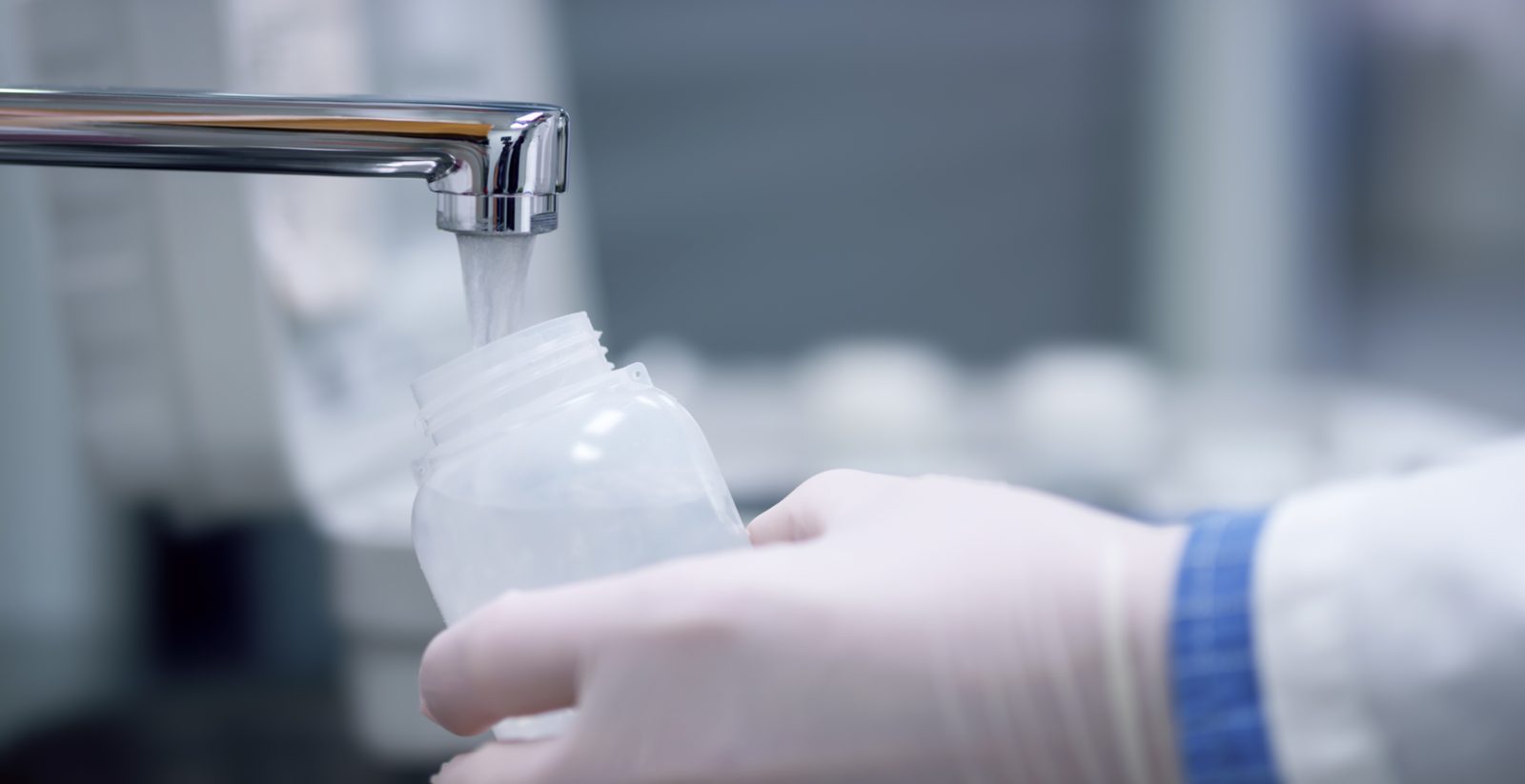
Your water supplier provides high-quality drinking water. On its way through the pipes and taps inside the building, however, bacteria can accumulate and multiply. If the tap water is used for drinking or showering, this can pose a health risk.
A water analysis at BlueLab gives you a reliable picture of the hygiene of your tap water.
Legal framework
Water suppliers in Germany must comply with the strict requirements of the German Drinking Water Ordinance (TrinkwV). This does not protect against contamination that only occurs in the pipes inside the building.
Many landlords of apartment buildings, those responsible for public facilities and hotel operators are legally obliged to have the drinking water tested for Legionella regularly. After construction or renovation work on water systems, the hygienic safety of the water must also be checked.

Our analysis packages
Legionella Analysis
For operators who are required to test, and for private individuals who want to have the water hygiene in their home checked.
Legionella are bacteria that live and multiply in water pipes. When showering or misting, the water is atomised into tiny droplets (aerosols) and inhaled. This is how the bacteria enter the lungs, where they can cause serious infections such as pneumonia or Legionnaires' disease.
The analysis includes:
- Legionella spp.
Water Analysis Small
For checking water hygiene, for example in hospitals, public facilities and private households.
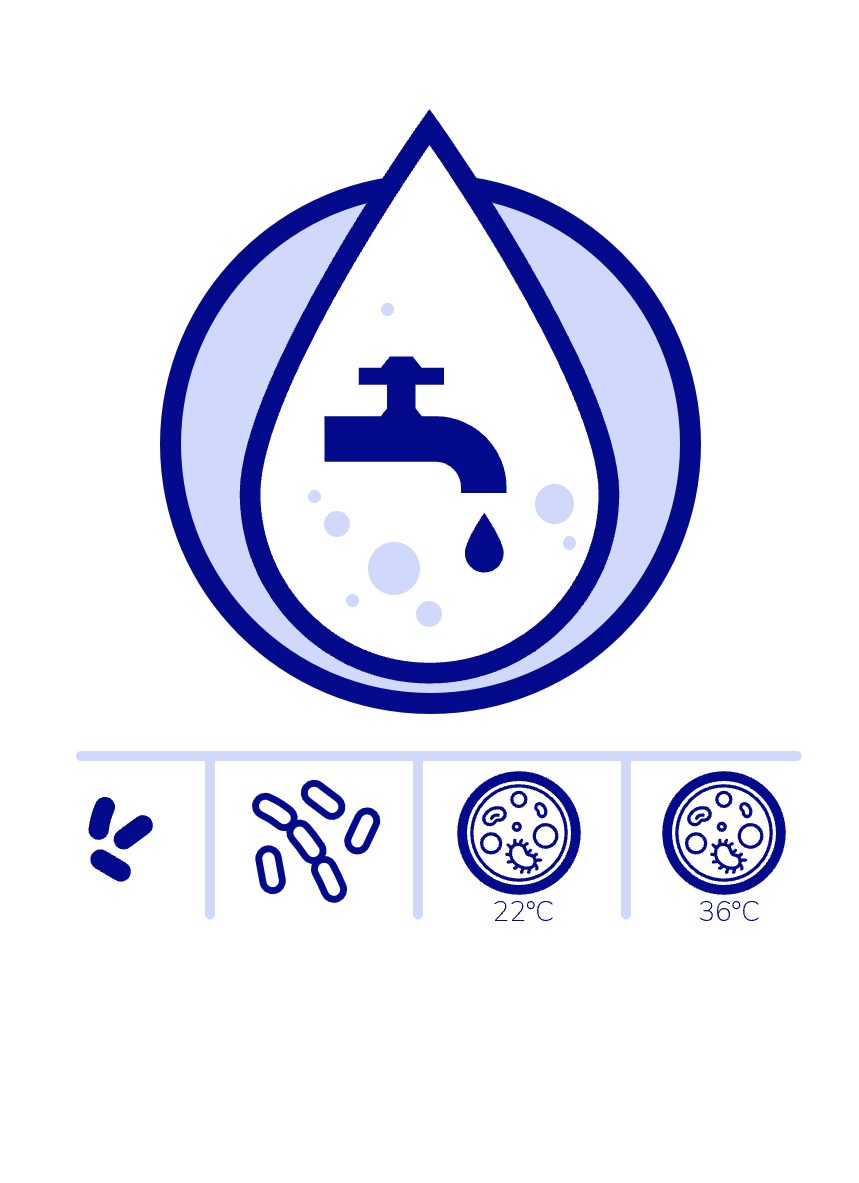
We test the tap water for the pathogens E. coli and coliform bacteria. We also determine the colony count (CFU, colony-forming units), i.e. the amount of bacteria that grow at 22 °C and at 36 °C.
The analysis includes:
- E. coli
- coliform bacteria
- colony count 22 °C (CFU 22 °C)
- colony count 36 °C (CFU 36 °C)
Water Analysis Standard
For a more thorough check: the Water Analysis Small, extended by enterococci.
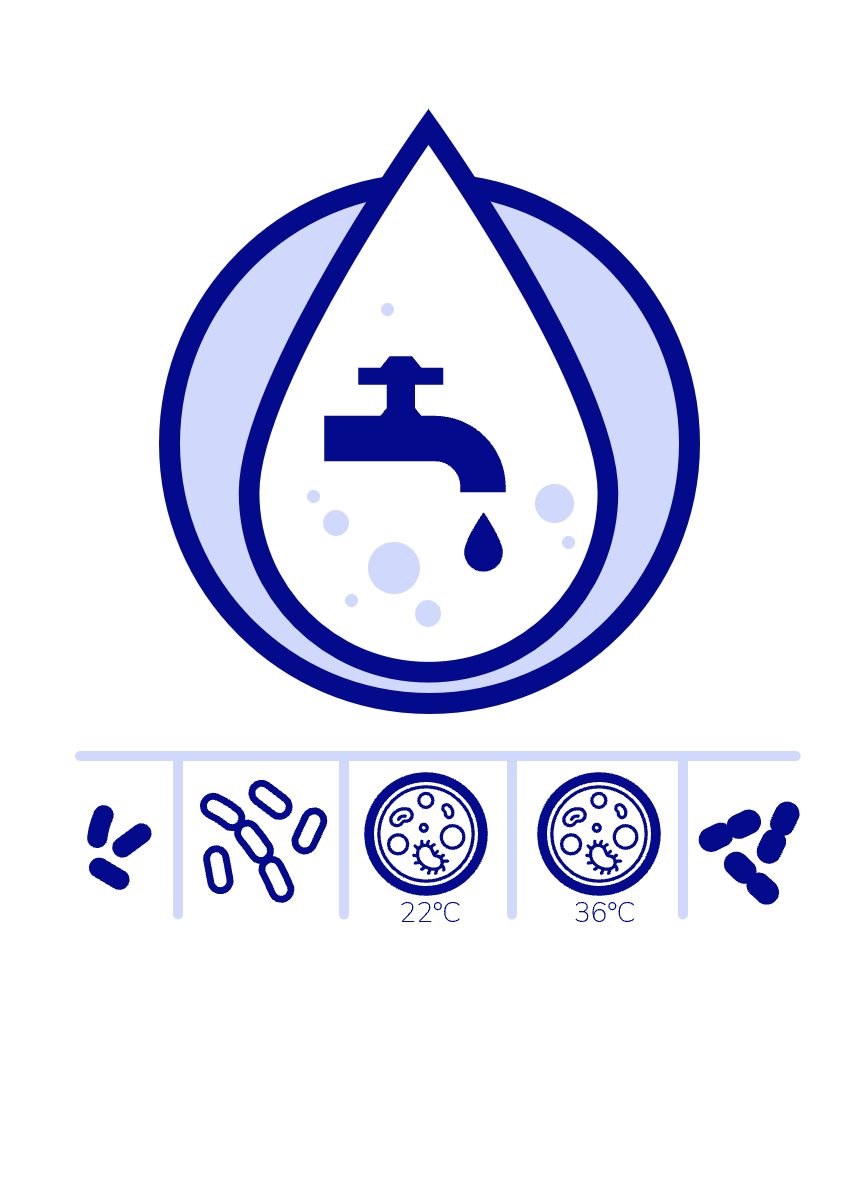
We particularly recommend this package if contamination is suspected, if there are problems with the pipe system in the building, or if risk groups live in the household. These include immunocompromised persons, pregnant women, infants and small children, who are more susceptible to infections.
The analysis includes:
- E. coli
- coliform bacteria
- colony count 22 °C (CFU 22 °C)
- colony count 36 °C (CFU 36 °C)
- enterococci
Frequently asked questions
Why is it worth having your tap water tested?
Even if your water supplier meets all requirements, the water can become contaminated on its way through the building's pipes to the tap, for example with bacteria.
Bacteria are not visible to the naked eye. If they multiply to high concentrations in the pipes, drinking the water or inhaling fine droplets while showering can lead to serious illness.
When does testing make sense?
- People from a risk group or people who are ill live in your house or household (immunocompromised persons, pregnant women, infants or small children).
- The flat is not in constant use, and the water stands in the pipes for long periods. Standing water (stagnation) encourages bacterial growth.
- You drink your tap water regularly and use it for showering.
- You use the tap water for an in-house water dispenser.
- You use the tap water to prepare baby food.
- The water smells or tastes unusual.

What are Legionella, and why are they dangerous?
Legionella are bacteria found in both natural and artificial water sources, including water pipes. Legionella pneumophila is the best-known species and the one most commonly associated with disease.
Legionella multiply mainly in warm, stagnant water at temperatures between 25 and 45 °C. Water pipes, hot water storage tanks, air conditioning systems and whirlpools offer them good conditions, especially if the water is not sufficiently heated or kept moving.
Infection does not occur through drinking, but through inhaling contaminated aerosols, for example when showering, from air conditioning systems or in whirlpools. In the lungs, Legionella can cause Legionnaires' disease, a severe form of pneumonia, or Pontiac fever, which has more flu-like symptoms. People with a weakened immune system, older people and smokers are particularly at risk.
Your enquiry
Do you have questions, or do you need a different analysis or additional parameters? Get in touch and we will agree the scope with you.