
Cooling Towers and Evaporative Cooling Systems
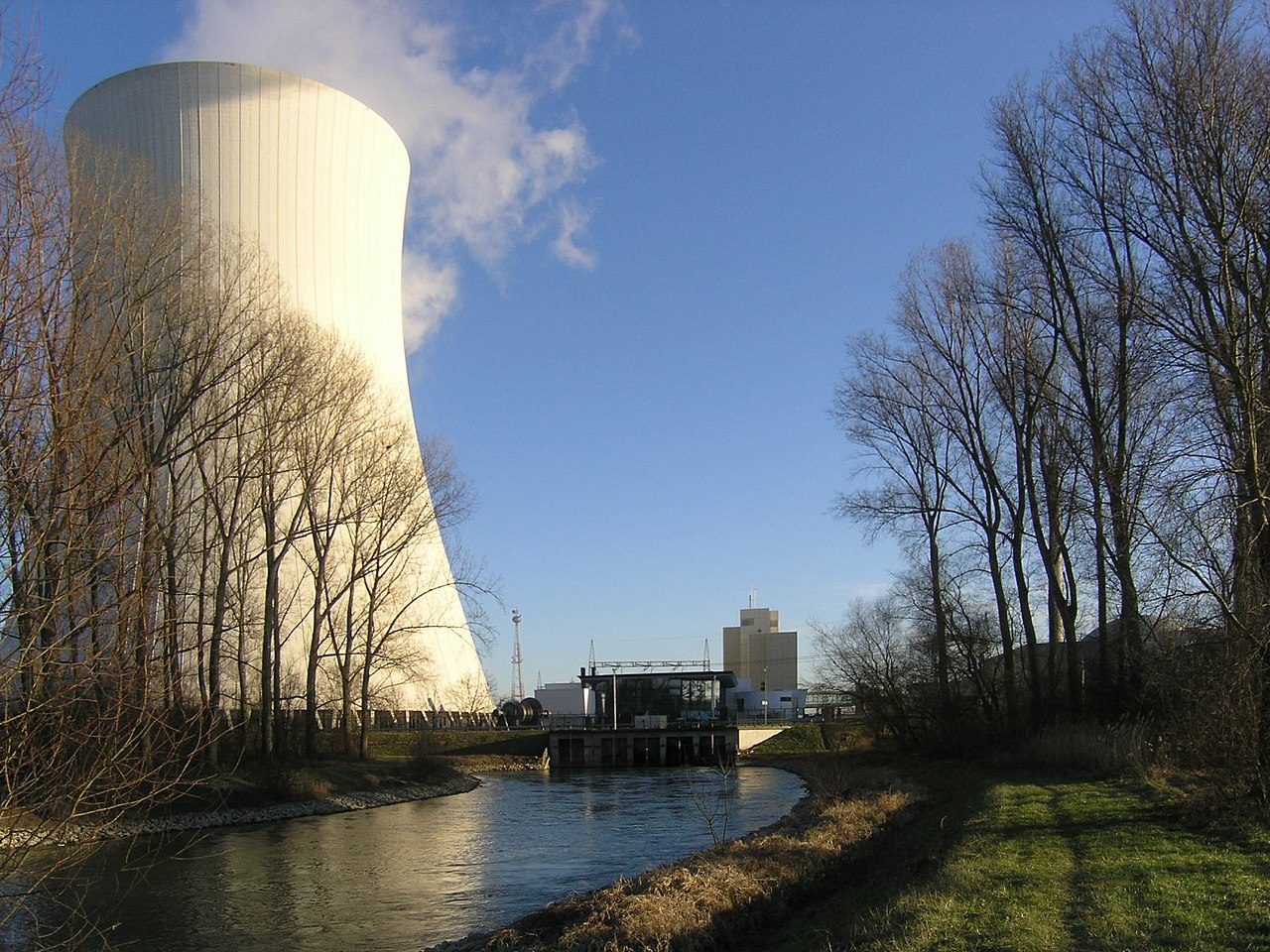
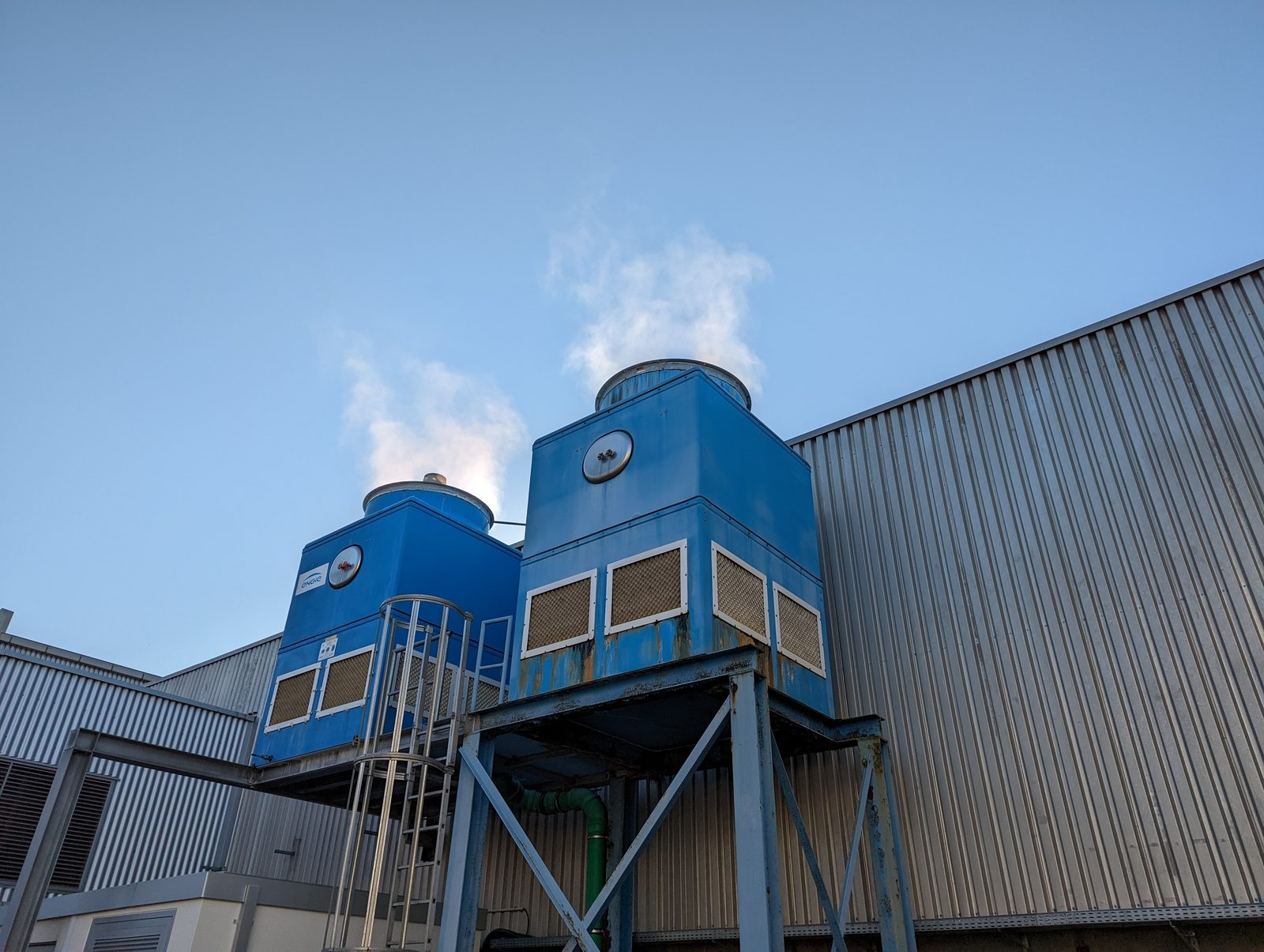
Evaporative cooling systems, cooling towers and wet separators provide cooling for refrigeration, air conditioning and energy generation. They are used in industry, the energy sector, retail, catering, hotels and office buildings.
Atomisation and evaporation usually produce aerosols, fine droplets that the wind can carry for miles. If the process water contains pathogens, they are spread along with them. This is why the water in these systems must be tested microbiologically on a regular basis.
Legal framework
The 42nd Ordinance on the Implementation of the Federal Immission Control Act (42nd BImSchV) has been in force since 19 August 2017. It is based on the VDI 2047 guideline and requires regular microbiological monitoring of these systems by a laboratory accredited to DIN EN ISO/IEC 17025.
The aim of the ordinance is to prevent the spread of Legionella and other harmful microorganisms. It requires testing for Legionella and determination of the colony count at 22 °C and 36 °C.
Our specialist staff test your system in accordance with the 42nd BImSchV.
Our analysis packages
Cooling Tower Basic
The parameters required by the 42nd BImSchV for the process water of evaporative cooling systems, cooling towers and wet separators.
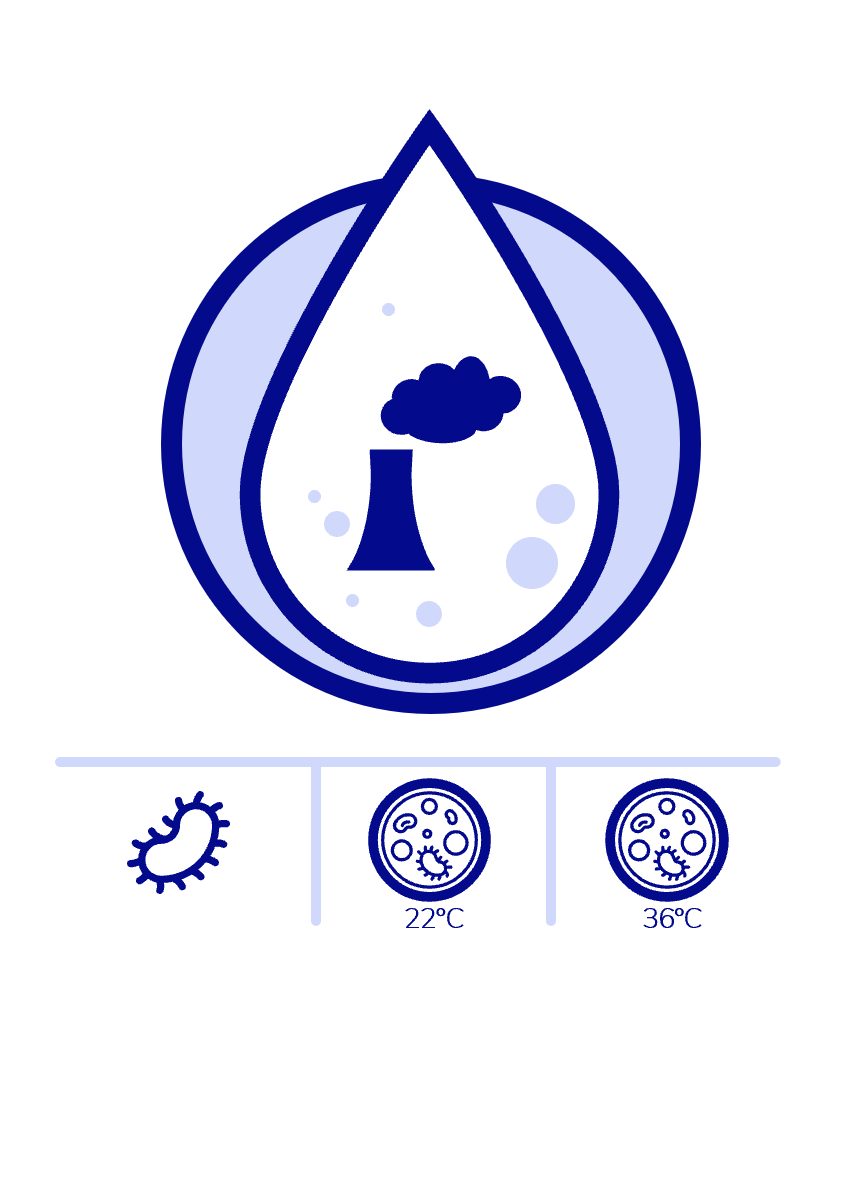
Legionella can multiply to dangerous concentrations in warm water. If they enter aerosols during evaporation, they are inhaled. We also determine the colony count (CFU, colony-forming units), i.e. the general load of bacteria that grow at 22 °C and at 36 °C.
The analysis includes:
- Legionella spp.
- colony count 22 °C (CFU 22 °C)
- colony count 36 °C (CFU 36 °C)
Cooling Tower Plus
The Cooling Tower Basic package, extended by Pseudomonas aeruginosa.

Pseudomonas are bacteria that can cause serious infections and form biofilms. Other bacteria such as Legionella find good conditions in these deposits and can multiply to harmful concentrations. We also recommend testing for Pseudomonas aeruginosa.
The analysis includes:
- Legionella spp.
- colony count 22 °C (CFU 22 °C)
- colony count 36 °C (CFU 36 °C)
- Pseudomonas aeruginosa
Frequently asked questions
Why do cooling towers, recooling plants and evaporative cooling systems have to be tested for Legionella?
- Health risk: Legionella are potentially pathogenic bacteria. They can cause legionellosis, a serious respiratory infection that can be fatal in the worst cases.
- Aerosol dispersion: These systems can spread contaminated aerosols over long distances, up to 10 km. This puts residents and employees at risk.
- Ideal growth conditions: The warm water in cooling towers and similar systems (25 to 45 °C) offers Legionella ideal conditions.
- Legal requirements: VDI 2047 sheets 2 and 3 and the 42nd BImSchV govern the operation of such systems and require regular testing.
- Preventing outbreaks: Several outbreaks of legionellosis have been traced back to contaminated cooling systems, for example in Ulm and Neu-Ulm (2009/2010), Warstein (2013), New York (2015), Bremen (2015/2016) and Rzeszów (Poland, 2023).
Regular testing protects the public and ensures compliance with legal requirements.
What are Legionella, and why are they dangerous?
Legionella are bacteria found in both natural and artificial water sources, including water pipes. Legionella pneumophila is the best-known species and the one most commonly associated with disease. They multiply mainly in warm, stagnant water at temperatures between 25 and 45 °C, especially if the water is not sufficiently heated or kept moving.
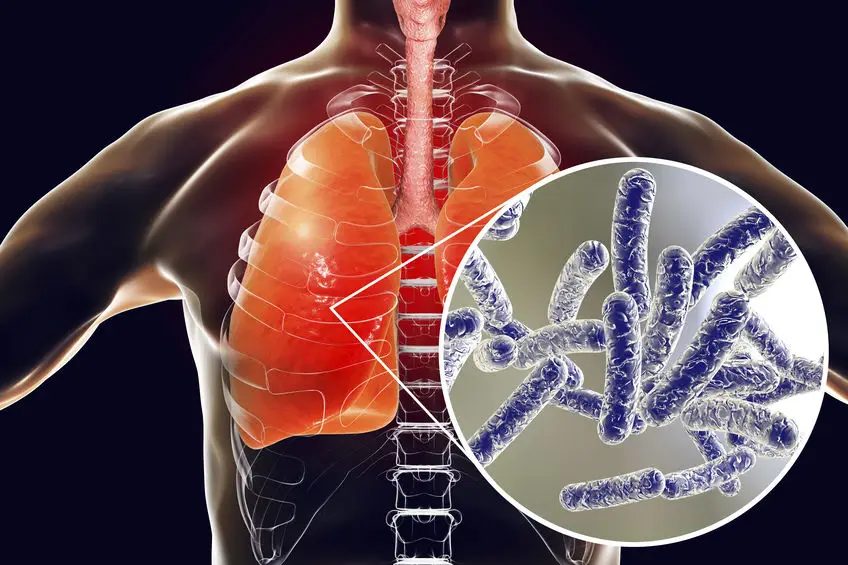
Infection does not occur through drinking, but through inhaling contaminated aerosols, for example when showering, from air conditioning systems or in whirlpools. In the lungs, Legionella can cause Legionnaires' disease, a severe form of pneumonia, or Pontiac fever, which has more flu-like symptoms. People with a weakened immune system, older people and smokers are particularly at risk.
Why is Pseudomonas aeruginosa dangerous?
Pseudomonas aeruginosa is a widespread bacterium found almost everywhere, for example in water or soil. It poses little danger to healthy people. In immunocompromised people, however, it can cause various illnesses, from skin inflammation after contact with contaminated water to pneumonia from inhaled aerosols.
P. aeruginosa is often highly resistant to antibiotics, which makes treatment considerably more difficult.
Pseudomonas also form biofilms in which other bacteria such as Legionella can multiply. In cooling towers, such bacteria are carried for miles through the air with the aerosols.

Your enquiry
Do you have questions, or do you need a different analysis or additional parameters? Get in touch and we will agree the scope with you.